Corrective Jaw Surgery in Antalya; Preparation, Procedure & Recovery
Introduction
A misaligned jaw can affect everything from chewing and speech to facial balance and breathing. For patients in Antalya and beyond, corrective jaw surgery (orthognathic surgery) offers a comprehensive solution that orthodontics alone cannot achieve. This article explains why you might need corrective jaw surgery, how to prepare, what happens during the procedure, and what to expect during recovery, based on the expertise of Dr. Onur Ademhan, a renowned maxillofacial surgeon.
What Is Corrective Jaw Surgery and Who Needs It?
Corrective jaw surgery involves repositioning the upper or lower jaw to bring it into proper alignment. Candidates often have malocclusion (overbite, underbite, or crossbite), obstructive sleep apnoea, or facial asymmetry. The surgery can also help patients with jaw cysts, cleft palate,e or temporomandibular joint (TMJ) disorders. Dr. Onur Ademhan evaluates whether orthodontic treatment alone can resolve the issue or if surgery is required.
Preparing for the Procedure
Preparation begins months before surgery. Patients undergo orthodontic treatment to align their teeth and receive detailed imaging, impressions, and measurements. It’s also wise to stock up on soft foods and arrange transport for the day of surgery. Dr. Onur guides patients through this preparation, ensuring they understand each step.
How Jaw Surgery Works?
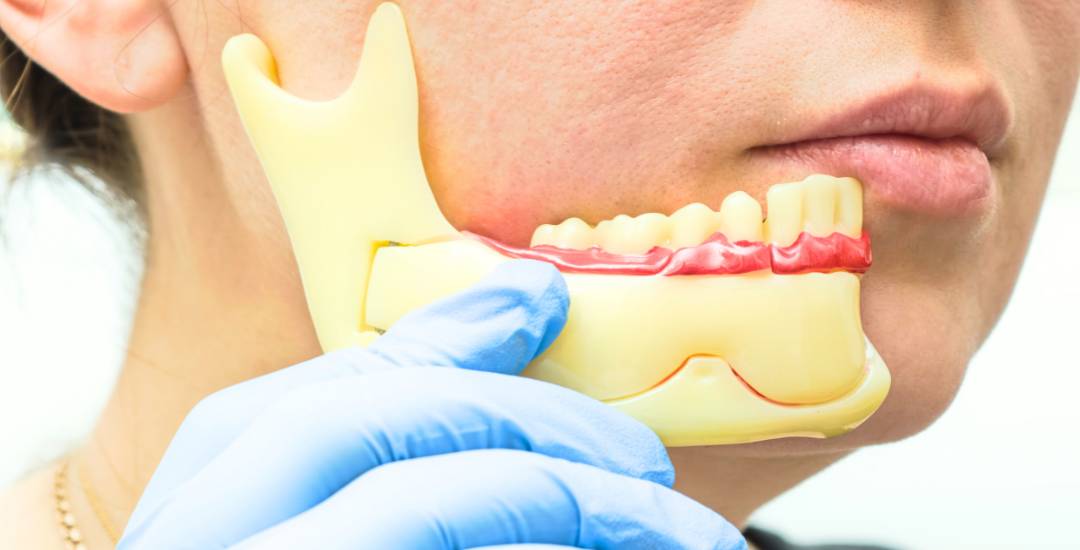
Corrective jaw surgery is performed under general anaesthesia. Incisions are typically made inside the mouth; the jawbone is cut and repositioned, then secured with plates, screws, or wires. The procedure can take one to four hours, depending on the complexity. A splint may be placed over the teeth to stabilise the jaw during healing.
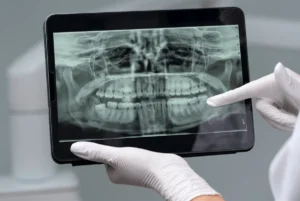
Pre-surgical panoramic X-ray evaluation for corrective jaw surgery in Antalya by Dr. Onur Ademhan.
Recovery and Aftercare
Patients usually stay in the hospital for one to four days. Initial recovery lasts about six weeks, but complete healing can take several months to a year. Expect swelling, bruising, and minor discomfort. You’ll follow a liquid or soft‑food diet and keep your head elevated. Dr. Onur provides detailed aftercare instructions, including pain management, oral hygiene tips, and follow-up appointments, to ensure a smooth recovery.
Risks and Benefits
As with any surgery, risks include bleeding, infection, or anaesthesia reactions. There may also be temporary numbness or difficulty opening the mouth. However, the benefits often outweigh the risks: improved bite function, easier chewing, clearer speech, and enhanced facial symmetry. Jaw surgery has a high success rate, around 93.9 %, and most patients see significant improvements.
Conclusion
Corrective jaw surgery is a life‑changing procedure that can resolve functional and aesthetic problems when orthodontics alone isn’t enough. With careful planning, expert surgical skill, and attentive follow-up care, patients can look forward to long-lasting results. If you’re considering jaw surgery, consult Dr. Onur Ademhan for a personalised assessment and begin your journey toward a balanced smile.