Jaw Cyst Treatment in Antalya: What to Know About Symptoms, Risks, and Surgery?
What is a Jaw Cyst, and why does it form?
- Impacted teeth (especially wisdom teeth)
- Infections from untreated dental problems
- Developmental abnormalities
- Previous trauma
Common symptoms patients should not ignore
- Swelling in the jaw or face
- Pain or pressure in the affected area
- Loose or shifting teeth
- Numbness in the lips or chin
- Difficulty chewing
When is Surgery necessary?
How is jaw cyst surgery performed?
- Accessing the cyst through a small incision
- Removing the cystic tissue
- Preserving surrounding bone and teeth when possible
For extensive cysts, bone grafting or stabilization procedures may be necessary to promote healing.
Dr. Onur Ademhan performs jaw cyst surgery using advanced techniques that help protect healthy tissue and promote a quicker recovery.
Recovery and Aftercare
Recovery depends on the cyst’s size and location, but most patients experience mild swelling and discomfort, heal within a few weeks, and gradually return to normal function. Following post-operative instructions is essential to avoid complications.
What happens if you delay treatment?
Ignoring a jaw cyst can lead to bone loss, tooth displacement, the spread of infection, and the need for more complex surgery later on.
When is tooth extraction necessary?
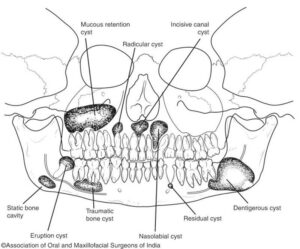
Different types of jaw cysts can develop in various areas of the jaw and affect surrounding teeth and bone.
Jaw Cysts and TMJ-Related Discomfort
Final Thoughts
Jaw cysts may not always cause immediate symptoms, but they can lead to serious complications if left untreated. A proper evaluation and early intervention can prevent long-term damage and ensure a safer, simpler treatment process.