


Introduction
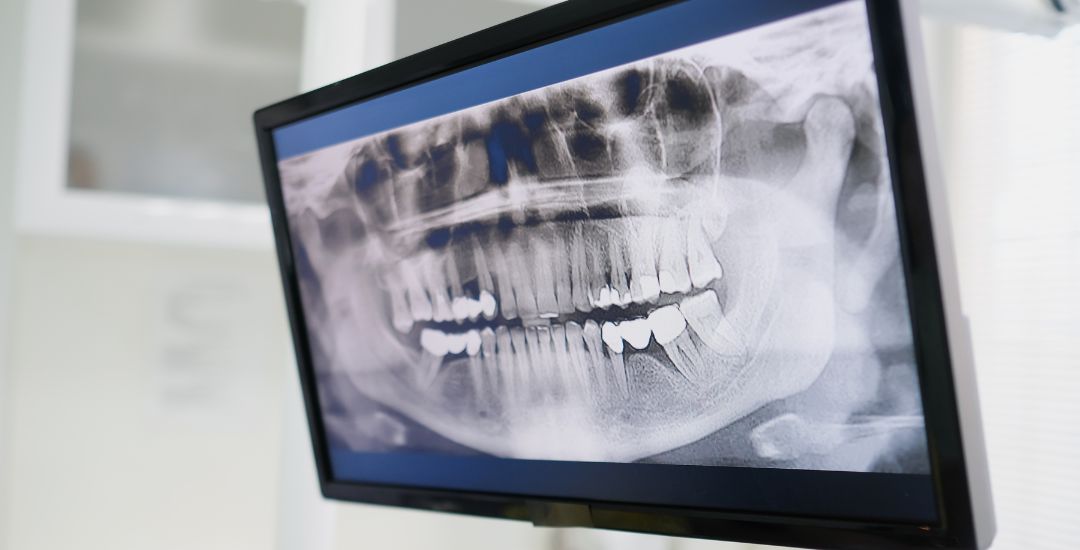
Many patients who suffer from severe bone loss believe they are no longer candidates for dental implants. In traditional implant treatments, bone grafting is often recommended to rebuild the jawbone before surgery. However, bone grafting is not always the ideal solution for every patient.
Today, advanced techniques such as zygomatic implants make it possible for many patients to receive full-mouth dental implants without extensive grafting procedures.
Why does bone loss become a problem?
Bone loss in the jaw can develop for several reasons, including:
- Long-term tooth loss
- Gum disease
- Failed dental implants
- Trauma or infection
As the jawbone shrinks over time, placing traditional implants becomes more difficult due to the lack of stable bone support.
In some advanced cases, patients may also experience functional issues that require additional evaluation through procedures such as corrective jaw surgery.
Why is bone grafting not always the best option?
Although bone grafting can be effective, it may not be suitable for everyone. Some patients prefer to avoid:
- Multiple surgeries
- Long healing periods
- Additional grafting procedures
- Extended waiting times before implant placement
Others may not have enough healthy bone structure for predictable grafting success.
This is why many patients explore alternatives that allow treatment with fewer surgical stages.
What are zygomatic implants?
Zygomatic implants are specialized implants anchored into the cheekbone (zygoma) instead of the upper jawbone.
Because the cheekbone is naturally denser and stronger, this technique can often eliminate the need for major bone grafting procedures.
Zygomatic implants are commonly used for patients with severe upper jaw bone loss who still want fixed full-mouth teeth.
Advantages of dental implants without bone grafting
For suitable patients, avoiding bone grafting may provide several advantages:
- Faster overall treatment process
- Fewer surgical procedures
- Reduced healing time
- Earlier placement of temporary teeth
- Improved comfort during recovery
In many cases, treatment can also be combined with advanced All-on-4 implant solutions or All-on-6 full-mouth restorations, depending on the patient’s bone structure and long-term needs.
Who may be a candidate?
Dental implants without bone grafting may be suitable for patients who:
- Have severe bone loss
- Were told they are not eligible for traditional implants
- Want to avoid extensive grafting surgeries
- Need full-mouth restoration
- Experienced previous implant failure
A detailed examination and digital imaging process are essential before planning treatment. At this stage, Dr. Onur Ademhan carefully evaluates bone structure, oral health, and long-term treatment goals to determine the safest and most effective solution.
Recovery and healing process
Recovery depends on the complexity of the case and the type of implant procedure performed. Most patients experience:
- Mild swelling and discomfort
- Gradual healing over several weeks
- Improvement in chewing and oral function
- Temporary dietary adjustments during healing
Following post-operative instructions carefully is essential for long-term implant success.
Additional treatments that may be recommended
In some situations, patients with severe bone loss may also require:
- Tooth extraction procedures for damaged teeth
- Treatment for impacted wisdom teeth
- Evaluation for jaw-related structural problems
- Additional oral surgery procedures
Combining treatments when necessary helps improve both function and long-term stability.
Conclusion
Severe bone loss does not always mean dental implants are impossible. Modern techniques such as zygomatic implants provide advanced alternatives for patients who want fixed teeth without extensive bone grafting procedures.
With proper planning and expert evaluation, patients can achieve stable, functional, and natural-looking full-mouth restoration solutions.

I have no teeth I was born with very short roots and I have little bone left my body rejected 4 implants on the top and I have 2 on bottom but constantly hurt. I live in Olympia wa. I’m desperate for help is this maybe an option?