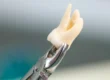
Tooth extraction healing usually begins immediately after the procedure, but the full recovery time depends on the type of extraction, the tooth position, the patient’s health, and how well aftercare instructions are followed. A simple tooth extraction may feel much better within a few days, while surgical extraction or wisdom tooth removal can require a longer healing period.
The most important part of healing is protecting the blood clot that forms inside the socket after the tooth is removed. This clot helps control bleeding and supports the early healing process. If the clot is disturbed too early, healing may become painful or delayed. NHS dental surgery guidance warns that vigorous rinsing can wash out the blood clot and delay healing.
- How Long Does Tooth Extraction Take to Heal?
- Tooth Extraction Healing Timeline
- First 24 Hours After Tooth Extraction
- Days 2–3 After Extraction
- Days 4–7 After Extraction
- After One Week
- Tooth Extraction Aftercare Tips
- Dry Socket Warning Signs
- When to Contact an Oral Surgeon?
- Tooth Extraction Recovery with Dr. Onur Ademhan
- Conclusion
How long does tooth extraction take to heal?
Most patients start to feel better within a few days after tooth extraction, but gum and bone healing continues gradually. Mild discomfort, swelling, and tenderness can be normal during the first stage of recovery, especially after surgical tooth extraction or wisdom tooth removal.
A simple extraction may recover faster, while a difficult or surgical extraction may take longer. Recovery also depends on whether the tooth was infected, impacted, broken, or close to important structures such as nerves or the jawbone.
Tooth extraction healing timeline
Healing does not happen all at once. It usually progresses through stages, starting with blood clot formation, followed by soft-tissue healing, and later by deeper bone remodeling. The timeline below gives a general idea, but every patient is different. Always follow the instructions given by your dentist or oral surgeon.
First 24 Hours after tooth extraction
The first 24 hours are primarily focused on protecting the extraction site. A blood clot forms inside the socket, and this clot should not be disturbed. During this stage, patients are usually advised to avoid strong rinsing, spitting forcefully, smoking, drinking through a straw, and touching the extraction area. UCLH advises patients to start cleaning their teeth normally from 24 hours after extraction, while being careful not to disturb the socket. Some blood in the saliva can be normal after extraction, but heavy or prolonged bleeding should be checked by a professional.
Days 2-3 after extraction
During the second and third days, swelling and tenderness may become more noticeable. This does not always mean something is wrong. Swelling can appear within the first 48 hours after dental surgery, according to Guy’s and St Thomas’ NHS guidance. At this stage, patients may usually continue with soft foods, gentle oral hygiene, and any medication recommended by their dentist or oral surgeon. From the day after surgery, warm salt water rinses may be recommended to help keep the mouth clean, but the rinse should be gentle rather than forceful.
Days 4-7 after extraction
By days 4-7, many patients notice that pain and swelling begin to improve. Chewing may still feel uncomfortable, especially if the extraction was surgical or involved a wisdom tooth. However, pain that becomes worse instead of better may need attention. One concern during this period is dry socket, which can happen when the blood clot is lost or does not form properly.
After One Week
After one week, many patients feel significantly more comfortable. The gum tissue may continue closing over the socket, although deeper healing continues beyond what the patient can see.
If stitches were used, they may dissolve on their own or may need removal depending on the type of suture. Your oral surgeon will guide you based on your specific procedure. Even when pain improves, the extraction area should still be protected. Hard foods, smoking, poor oral hygiene, and ignoring aftercare instructions can slow healing.
Tooth extraction aftercare tips
Good aftercare helps reduce discomfort and supports smoother healing after tooth extraction. Important aftercare steps include:
- Follow your dentist or oral surgeon’s instructions carefully
- Avoid rinsing forcefully during the first 24 hours
- Do not disturb the extraction socket with your tongue or fingers
- Eat soft foods during the early recovery period
- Avoid smoking and alcohol during healing
- Brush carefully without damaging the socket area
- Use medication only as directed
- Contact your dentist or oral surgeon if symptoms become worse
The exact instructions may vary depending on whether the extraction was simple, surgical, or related to wisdom teeth.
Dry socket warning signs
Dry socket is one of the most common concerns after tooth extraction. It occurs when the blood clot is lost or does not protect the socket properly, exposing sensitive bone and nerves.
Possible warning signs include:
- Severe pain that starts or worsens a few days after extraction
- Pain spreading toward the ear, jaw, or temple
- Bad taste or bad breath
- An empty-looking socket
- Pain that does not improve with normal medication
When to contact an oral surgeon?
You should contact a dentist or oral surgeon if you experience severe pain, increasing swelling, prolonged bleeding, fever, pus, bad taste that does not improve, difficulty opening the mouth, or symptoms that become worse after initially improving. If your extraction was complex, surgical, or related to an impacted wisdom tooth, follow-up may be especially important.
For impacted wisdom teeth, NICE recommends limiting surgical removal to cases with evidence of disease or pathology, such as unrestorable decay, abscess, cyst or tumor involvement, resorption, or when the tooth interferes with other surgery.
Tooth extraction recovery with Dr. Onur Ademhan
Dr. Onur Ademhan evaluates tooth extraction cases with an oral and maxillofacial surgery approach. The treatment plan depends on the tooth position, infection risk, surrounding bone, nearby nerves, and the patient’s overall oral health. If you have pain after tooth extraction, concerns about healing, or symptoms that may suggest dry socket or infection, a professional evaluation can help determine the right next step. The goal is not only to remove the tooth safely, but also to support proper healing and reduce the risk of complications.
Conclusion
Tooth extraction healing usually improves day by day, but recovery is different for every patient. Mild discomfort and swelling can be normal at first, while severe pain, worsening symptoms, or prolonged bleeding should not be ignored. Proper aftercare, good oral hygiene, and early communication with your oral surgeon can help make the recovery process safer and more comfortable.
How long does tooth extraction take to heal?
Many patients feel better within a few days, but complete healing continues gradually. Simple extractions may recover faster, while surgical extractions or wisdom teeth cases may take longer.
What should I do during the first 24 hours after tooth extraction?
Protect the blood clot, avoid strong rinsing or spitting, do not smoke, avoid straws, eat soft foods, and follow your dentist or oral surgeon’s instructions.
Is pain normal after tooth extraction?
Mild to moderate discomfort can be normal during early healing. However, severe pain that starts or worsens a few days after extraction may need professional evaluation.
What is dry socket after tooth extraction?
Dry socket happens when the blood clot is lost or does not protect the socket properly. It can cause severe pain and delayed healing.
When should I worry after tooth extraction?
Contact a professional if you have severe pain, worsening swelling, heavy bleeding, fever, pus, bad taste, or difficulty opening your mouth.
Can wisdom tooth extraction take longer to heal?
Yes. Impacted or surgical wisdom tooth extraction may involve more tissue and bone healing, so recovery can take longer than a simple extraction.