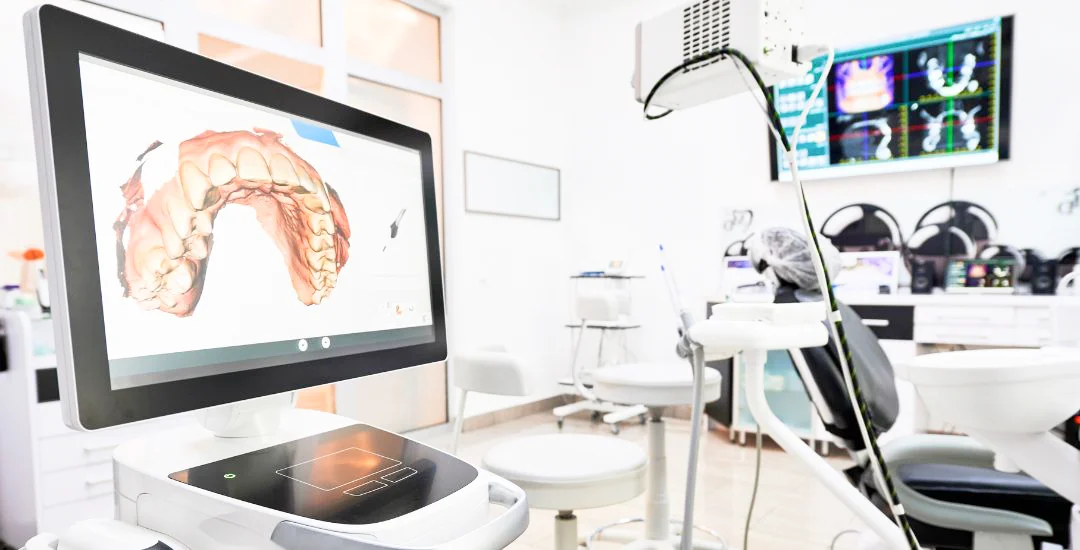
An oral and maxillofacial surgeon treats conditions related to the mouth, teeth, jaws, face, and surrounding structures. Many patients first hear about this specialty when they need wisdom tooth removal or dental implant surgery, but the field is much broader. Oral and maxillofacial surgery may involve tooth extraction, impacted teeth, dental implants, jaw cysts, facial trauma, TMJ disorders, corrective jaw surgery, oral infections, and other complex conditions.
- What Is an Oral and Maxillofacial Surgeon?
- What Does an Oral and Maxillofacial Surgeon Treat?
- Wisdom Teeth and Impacted Teeth
- Tooth Extraction and Surgical Extractions
- Dental Implants and Full-Mouth Solutions
- Jaw Cysts and Oral Pathology
- TMJ Disorders and Jaw Pain
- Corrective Jaw Surgery
- Facial Trauma and Jaw Injuries
- When Should You See a Specialist?
- Evaluation with Dr. Onur Ademhan
What is an oral and maxillofacial surgeon?
An oral and maxillofacial surgeon is a dental surgical specialist trained to diagnose and treat conditions involving the teeth, jaws, mouth, face, and related structures. This specialty combines surgical knowledge, dental expertise, facial anatomy, and functional planning.
AAOMS explains that oral and maxillofacial surgeons treat problems ranging from tooth extractions and dental implants to TMJ disorders, impacted wisdom teeth, facial trauma, and reconstructive procedures. For patients, this means an oral and maxillofacial surgeon may be involved when a condition is more complex than routine dental treatment or when surgery is required.
What does an oral and maxillofacial surgeon treat?
An oral and maxillofacial surgeon treats a wide range of surgical and functional problems involving the mouth, jaw, and face. Common treatment areas include:
- Wisdom tooth removal
- Impacted teeth
- Tooth extraction
- Surgical tooth extraction
- Dental implant surgery
- Full-mouth implant solutions
- Jaw cysts and oral pathology
- TMJ disorders and facial pain
- Corrective jaw surgery
- Jaw fractures and facial trauma
- Oral infections
- Bone and soft tissue conditions
- Surgery related to jaw alignment and bite problems
The exact treatment plan depends on the patient’s diagnosis, symptoms, imaging results, medical history, and long-term oral health needs.
Wisdom teeth and impacted teeth
Wisdom teeth are one of the most common reasons patients visit an oral and maxillofacial surgeon. Some wisdom teeth erupt normally and do not cause problems. Others may remain partially or fully impacted inside the jaw. Impacted wisdom teeth may cause pain, swelling, infection, pressure on nearby teeth, or cyst-related concerns. AAOMS notes that wisdom teeth and dental implants are among the most common oral and maxillofacial surgical procedures. A specialist evaluation can help determine whether a wisdom tooth should be monitored, treated, or removed.
Tooth extraction and surgical extractions
Tooth extraction may be necessary when a tooth is severely damaged, infected, fractured, impacted, or cannot be restored with other dental treatments. Some extractions are simple, while others require a surgical approach. Surgical extraction may be needed when a tooth is broken below the gum line, positioned unusually, impacted in the jawbone, or close to important anatomical structures. For more detailed recovery information, patients can also read the guide How Long Does Tooth Extraction Take to Heal?
Dental implants and Full-Mouth solutions
Oral and maxillofacial surgeons are often involved in dental implant planning and placement, especially in complex cases. Dental implants may replace missing teeth and help restore chewing function, smile appearance, and oral stability. Some patients need advanced solutions such as full-mouth implants, All-on-4, All-on-6, or zygomatic implants. These cases require careful evaluation of jawbone quality, sinus anatomy, bite function, and long-term prosthetic planning.
Jaw cysts and oral pathology
Jaw cysts may develop inside the jawbone or around the roots of teeth. Some cysts are discovered during routine imaging, while others may cause swelling, pain, infection, or changes around nearby teeth. Treatment depends on the type, size, location, and behavior of the cyst. Mayo Clinic explains that treatment options for jaw tumors and cysts vary based on the lesion type, growth stage, and symptoms, and that mouth, jaw, and face surgeons usually treat these conditions surgically or, in some cases, with medical therapy or a combination of both. A professional evaluation is important because jaw cysts may affect surrounding teeth, bone, and long-term oral health.
TMJ Disorders and jaw pain
TMJ disorders affect the temporomandibular joint, which connects the lower jaw to the skull. Patients may experience jaw pain, clicking sounds, difficulty opening the mouth, headaches, facial pain, or chewing discomfort.
Not every case of jaw pain requires surgery. Many TMJ problems are managed with conservative or non-surgical approaches first. However, specialist evaluation can help identify the cause and determine whether the condition is muscular, joint-related, bite-related, trauma-related, or connected to another oral surgery issue.
Corrective jaw surgery
Corrective jaw surgery, also called orthognathic surgery, may be recommended when jaw position affects bite function, facial balance, speech, chewing, or breathing-related concerns. This type of treatment is usually planned carefully using imaging, bite analysis, orthodontic coordination, and surgical planning. Corrective jaw surgery is not only cosmetic. In many cases, the purpose is to improve function, alignment, and long-term stability.
Facial trauma and jaw injuries
Oral and maxillofacial surgeons may also treat injuries involving the jaw, teeth, facial bones, and soft tissues. Facial trauma can happen after accidents, falls, sports injuries, or other impacts. Treatment may involve repairing jaw fractures, managing damaged teeth, treating soft tissue injuries, or restoring function and appearance after trauma. Early evaluation is important when trauma affects the bite, jaw movement, teeth, or facial symmetry.
When should you see a specialist?
You may need to see an oral and maxillofacial surgeon if you have:
- Impacted wisdom teeth
- Severe tooth pain or infection
- A tooth that may require surgical extraction
- Jaw swelling or a suspected jaw cyst
- Facial trauma or jaw injury
- Jaw locking, clicking, or TMJ pain
- Missing teeth requiring implant planning
- Severe bone loss before dental implants
- Bite problems or jaw alignment concerns
- A dental condition that needs surgical evaluation
A specialist can evaluate the condition with clinical examination, imaging, and treatment planning.
Evaluation with Dr. Onur Ademhan
Dr. Onur Ademhan evaluates oral and maxillofacial surgery cases with a detailed and patient-specific approach. The goal is to understand the cause of the problem, protect oral function, and choose the safest treatment plan for each patient.
Whether the concern is wisdom tooth pain, tooth extraction, dental implant planning, jaw cysts, TMJ symptoms, trauma, or jaw surgery, proper evaluation is the first step toward safe and effective treatment.
Conclusion
An oral and maxillofacial surgeon treats more than wisdom teeth. This specialty covers many conditions involving the teeth, mouth, jaws, face, and surrounding structures.
If you have pain, swelling, impacted teeth, missing teeth, jaw problems, facial injury, or a complex dental condition, an oral and maxillofacial surgery evaluation can help identify the best treatment path.
What does an oral and maxillofacial surgeon treat?
An oral and maxillofacial surgeon treats conditions involving the mouth, teeth, jaws, face, and related structures, including wisdom teeth, dental implants, jaw cysts, TMJ disorders, trauma, and jaw surgery.
Is an oral surgeon the same as an oral and maxillofacial surgeon?
The terms are often used together, but oral and maxillofacial surgery refers to a specialist field involving surgical care of the mouth, jaws, face, and related structures.
When should I see an oral and maxillofacial surgeon?
You should consider seeing a specialist for impacted wisdom teeth, surgical tooth extraction, jaw cysts, dental implants, TMJ symptoms, jaw injuries, or complex oral surgery problems.
Do oral and maxillofacial surgeons place dental implants?
Yes. Dental implant surgery is one of the common treatment areas within oral and maxillofacial surgery, especially in complex or full-mouth cases.
Can an oral and maxillofacial surgeon treat TMJ problems?
Yes. TMJ disorders and facial pain can be evaluated by an oral and maxillofacial surgeon. Treatment may be non-surgical or surgical depending on the diagnosis.
Are jaw cysts treated by oral and maxillofacial surgeons?
Yes. Jaw cysts and oral pathology are commonly evaluated and treated by oral and maxillofacial surgeons, often using imaging and surgical planning.